

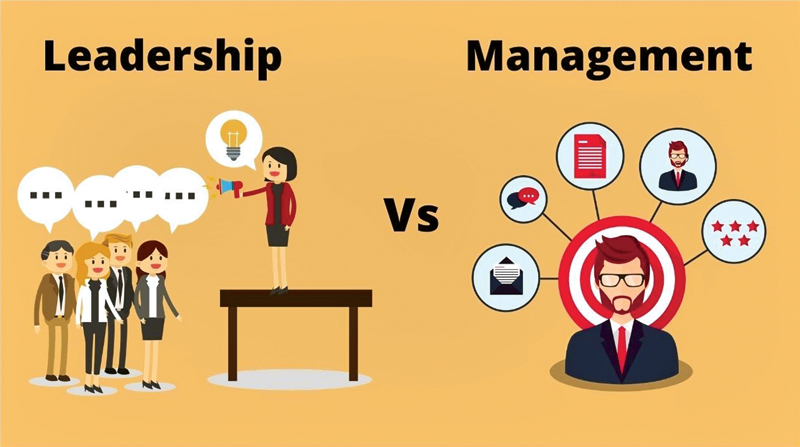
Running a small business often requires wearing multiple hats, and two of the most critical roles are those of a leader and a manager. While these roles are interconnected, they require different skill sets and approaches. Understanding the distinction between leadership and management, and finding a balance between the two, is essential for the success and growth of a small business.
Leadership is about setting a vision, inspiring and motivating employees, and driving change. Leaders are forward-thinking, focusing on long-term goals and innovation. They are the visionaries who see the bigger picture and guide the business towards future opportunities.
Management, on the other hand, is about planning, organising, and coordinating day-to-day operations. Managers ensure that the business runs smoothly, resources are used efficiently, and tasks are completed on time. They focus on implementing processes, maintaining order, and achieving short-term objectives.
Balancing the strategic vision with daily operational tasks can be overwhelming. Leaders may find themselves bogged down with routine management duties, leaving little time for strategic thinking.
Leadership and management require different skills. Leaders need to be charismatic, innovative, and inspiring, while managers need to be detail-oriented, organised, and efficient. Small business owners often need to develop both sets of skills, which can be challenging.
In a small business, the lines between leadership and management can blur. Employees may look to the owner for both visionary guidance and day-to-day instructions, leading to confusion and inefficiencies.
Limited resources mean that small business owners often have to juggle multiple roles. This can lead to burnout and hinder the ability to focus on strategic growth.
Tips for Balancing Leadership and Management
- Empower your team by delegating management tasks. This allows you to focus on strategic leadership while ensuring that daily operations are handled efficiently.
- Define your long-term vision and break it down into actionable short-term goals. This helps in aligning daily tasks with the overall business strategy.
- Invest in hiring and training employees who can take on management roles. A strong team can handle day-to-day operations, freeing you up to focus on leadership.
- Allocate specific times in your schedule for strategic planning and innovation. This ensures that you regularly step back from daily operations to focus on the bigger picture.
- Leverage technology to streamline management tasks. Tools for project management, communication, and automation can save time and reduce the burden of daily operations.
- Invest in your own development. Attend workshops, read books, and seek mentorship to enhance both your leadership and management skills.
Balancing leadership and management is a continuous process that requires self-awareness, adaptability, and a commitment to growth. By understanding the differences between these roles and implementing strategies to manage both effectively, small business owners can drive their businesses towards sustained success.
This is one of the many topics we discuss at our peer support group, Those Who Lead. If you would like to know more please contact us.