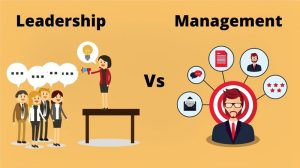


Working closely with small businesses, I regularly see the scenario being played out as recognised by Dr. Laurence J. Peter in 1969, when he observed that employees are often promoted based on their performance in their current role, rather than their suitability for the new one. Over time, this can lead to individuals being elevated to a position where they are no longer competent. This became known as the Peter Principle.
Promotions are frequently awarded to those who have been with the company the longest, regardless of whether they possess the necessary skills for the new role. Often, it’s a gesture of loyalty—recognising those who were there from the beginning, working for modest pay and minimal benefits.
For the employee, the promotion is a source of pride. It brings a sense of responsibility, respect for the employer, and improved financial stability. However, the transition can be fraught with challenges. Former colleagues may begin to distance themselves, and the newly promoted manager may struggle to balance camaraderie with authority. Managing or disciplining team members becomes difficult if social boundaries are blurred.
The size and structure of the business will influence how this dynamic unfolds, but the core issue remains: technical proficiency does not automatically translate into effective leadership. Management requires a distinct skill set—communication, delegation, conflict resolution, and strategic thinking.
Without support, the situation can quickly become stressful. Under pressure, productivity drops, morale suffers, and negativity can spread throughout the team. As a business owner, this puts you in a difficult position. You value this loyal employee and want to see them succeed, but demotion is rarely a viable option. It’s hard for someone to return to a previous role and be managed by a peer.
If performance deteriorates and the impact on the business becomes significant, you may feel that parting ways is the only solution. However, dismissal should never be taken lightly and must be approached with legal guidance and careful consideration.
So what’s the alternative?
Investing in professional development—whether through workshops, one-to-one coaching, or a blended approach—can be transformative. It sends a powerful message: you are worth investing in. This alone can boost morale and motivation. With the right training, employees gain confidence, develop new skills, and become far more effective in their roles. Continued support ensures they stay on track and continue growing.
It’s natural for some to resist training at first. Fear of the unknown is common. That’s why it’s important to frame training as a strategic necessity—one that supports the success of the entire company. After all, a thriving business benefits everyone.
This is typical of the type of discussions we have at our Peer Support Group ‘Those Who Lead’. If this scenario sounds familiar and you’d like to explore how to support your team through these transitions, I’d be happy to chat. You can reach me at 07734475942 or email kate@engagewithbusiness.co.uk.